A quick note about safety and scope.
No two lockouts are identical, and the correct tool depends on the lock, the situation, and the customer's wishes. I will not cover illegal techniques or bypasses that facilitate theft, and I only describe lawful, standard emergency methods.
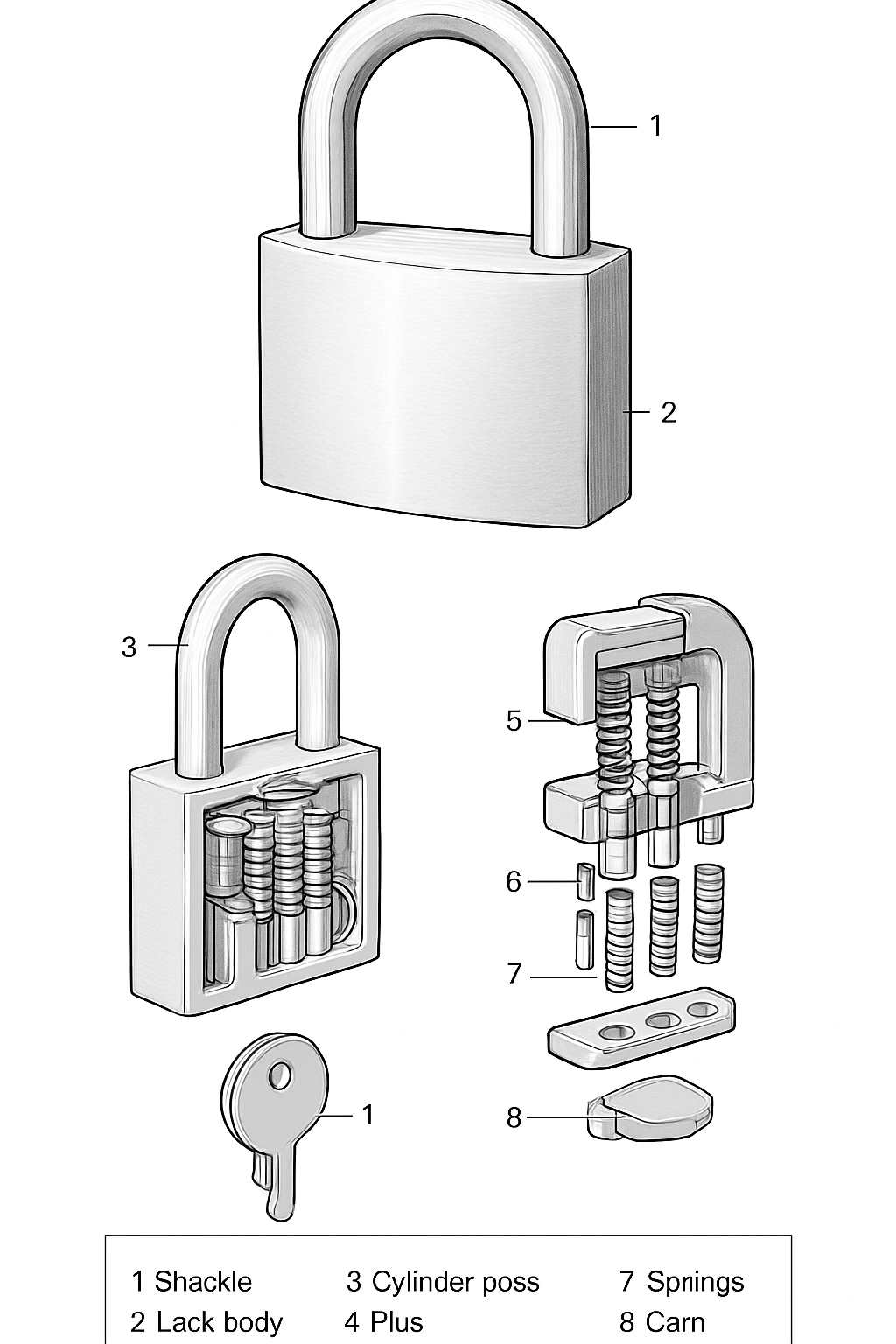
Why picks and tension wrenches remain essential.
Simple mechanical locks are often resolved with picks and a tension wrench, and knowing which pick to use saves time. A good kit includes hook picks, diamond picks, rake sets, and light to heavy tension wrenches for precise control. Picking works well when the customer can prove ownership quickly, and when the lock is not a high-security, restricted keyway.
Slim jims and long-reach tools for vehicles: blunt instruments that work fast sometimes.
For vehicles with accessible linkage behind the door skin, a long-reach tool paired with a wedge can unlock the door quickly. When used correctly, these tools open most classic and economy cars without damage. Attempting this on newer vehicles can trigger expensive electronic faults or damage wiring, so I check make and model before trying.
Why many auto locksmiths carry manufacturer-specific entry kits.
These kits can include paddle tools, probe rods, and molded plastic protectors tailored to specific models. A purpose-built tool slips behind the molding without bending it and contacts the correct linkage point faster than generic rods. Purchasing and training on these kits is an investment, and a well-equipped locksmith keeps files on which adapters work for which years and trims.
What I use when a key snaps in a lock or ignition.
I use micro-extractors, straight pull tools, and sometimes ultrasonic extractors for stubborn fragments. I avoid drills unless the cylinder is seized or the fragment cannot be gripped after reasonable attempts. Drilling destroys the cylinder but guarantees access; replacing the lock restores security but takes more time and hardware.
Car key replacement and key fob replacement in the field.
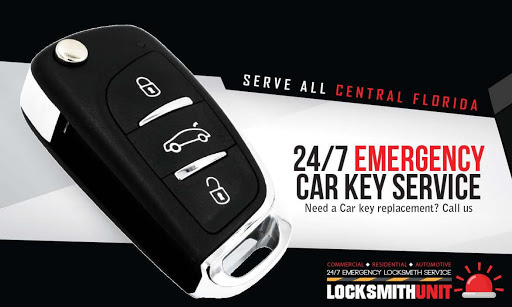
When a vehicle is immobilized because of a lost transponder, reprogramming or cloning a chip often restores access faster than towing. In practice I check car make, model, and year to determine whether I can legally and technically program on the spot. Battery replacements for key fobs are common and trivial, but when the fob itself is damaged, I bring blank fobs and sync tools to issue a working remote.
Why some emergency entries end with a drilled cylinder or cut ignition.
If a cylinder is seized, overbumped, or full of broken hardware, drilling and replacing it may be preferable to prolonged attempts that increase risk. Precision matters when destroying a component, so I select the right bit and stop as soon as the locking mechanism yields. Plug spinners return a cylinder to unlocked position after drilling, but they require experience to avoid making matters worse.
Why inspection tools are not optional.
I often use a compact camera probe to see linkages and wiring so I know whether a slim jim will work or if panels hide airbags. I treat every vehicle as if I will be judged later by the owner or a repair shop, so care is built into the process. A methodical inspection usually halves the time compared with guesswork.
Why documentation matters in emergency locksmithing.
A smartphone for scanning identification, a simple worksheet, and a photo log keep the process transparent and legal. If a customer opts for a non-permanent fix, I still collect contact details and explain recommended follow-up steps. Documentation also simplifies follow-up billing and warranty handling.
Inventory management: why a well-stocked van is an efficiency multiplier.
I balance space and capital by stocking high-turn items and using suppliers for rare parts on next-day delivery. Lubricants, contact cleaner, and threadlocker make installations last longer, and I carry them for reliability. I track usage to know when to reorder and which parts are worth stocking.
How to vet a 24 hour locksmith over the phone.
A professional will ask for vehicle make, model, and year, and will request proof of ownership or photo ID before starting. Lowball offers often lead to forced entry and hidden fees; I recommend comparing two or three local providers when time allows. For urgent situations, ask about expected arrival time and whether they carry replacement parts for your make, and if possible get an estimate for the worst-case option so you are not surprised.
Common mistakes I see and how to avoid them.
Time-critical situations justify immediate professional action, and professionals coordinate with first responders for safe access. Do not try to tow or smash a window unless you understand the consequences, since glass replacement and water intrusion are expensive and messy. I recommend rekeying when you buy a new place or after losing keys, and I perform many rekeys on the same visit as other security upgrades.
When you need emergency locksmith help, prioritize credentials, lockout services in Orlando Florida - Locksmith Unit clear communication, and a technician who can explain trade-offs before acting. Experience shows that a well-equipped, licensed locksmith solves most emergencies on the first visit while minimizing damage and cost.